
How to Clean a Betta Tank Without Stressing Your Fish (Or Yourself)
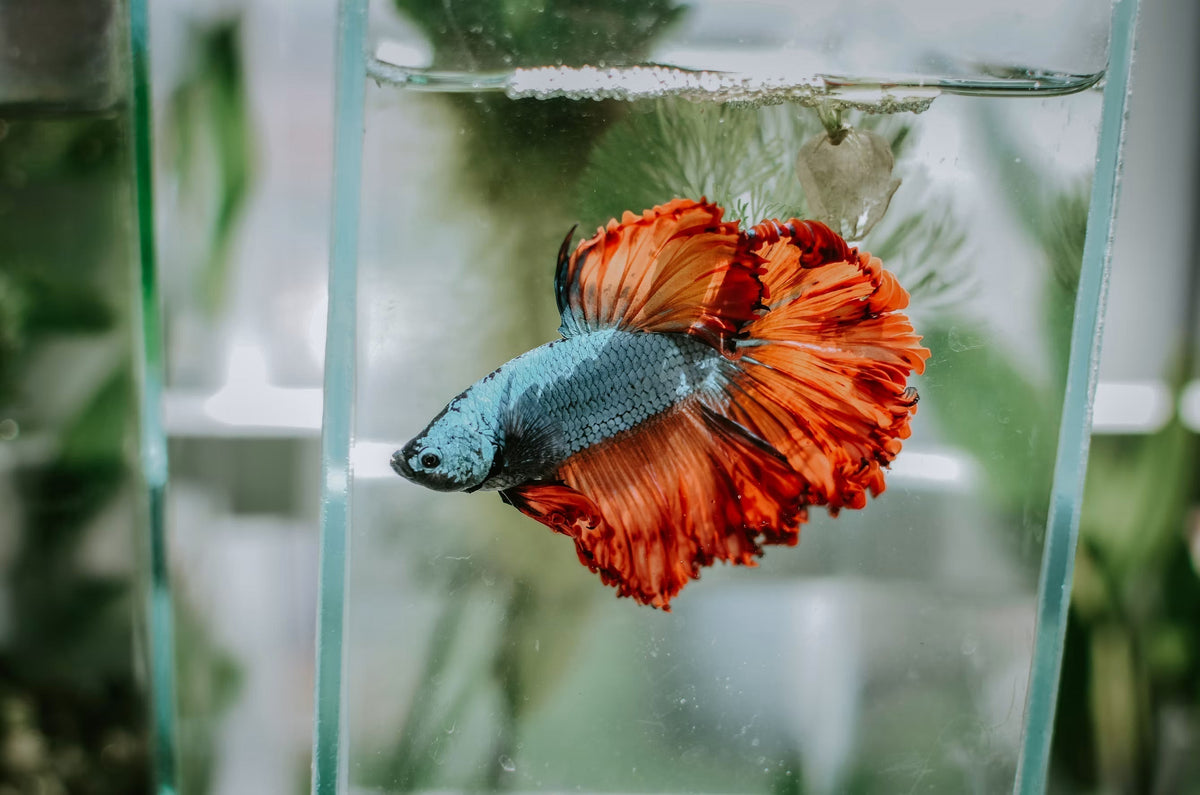
How to Clean a Betta Tank Without Stressing Your Fish (Or Yourself)
If you’ve ever worried about accidentally hurting your betta during tank cleaning, you are not alone. Tank maintenance is where almost every new owner feels a bit anxious. It’s easy to feel caught between two extremes: avoiding cleanings because you don't want to startle your fish, or overdoing it with a full teardown every week out of a desire to give them a spotless home.
The good news? Keeping a betta tank clean is far simpler and much less scary than it seems. Bettas are remarkably resilient creatures, and once you get into a gentle rhythm, routine care becomes quick, low-stress, and completely routine for both you and your fish.
This guide walks through how to clean a betta tank safely, how often to do it, and what to watch for if something feels off.
Why Tank Cleanliness Matters (And Why You Don't Need Perfections)
Bettas are unique because they are labyrinth fish, meaning they can gulp air from the water surface. This biological trait gives them a wonderful ability to adapt, but it can sometimes give owners a false sense of security. Just because a betta is tough doesn't mean they aren't happier in clean water.
Ammonia and waste buildup from uneaten food can eventually lead to common, manageable issues like fin rot or mild lethargy. The goal of tank cleaning isn’t to create a sterile laboratory environment. It’s simply to keep the water parameters stable so your fish can thrive without their immune system working overtime.
How Often You Should Actually Clean
Finding the right routine depends on your tank setup, but you don't need to spend hours on it. Here is a simple, stress-free routine to follow:
-
Filtered tanks (5–10 gallons): A quick 25% water change once a week.
-
Filtered tanks (Over 10 gallons): A 20–25% water change every 1 to 2 weeks.
-
Unfiltered tanks (Under 5 gallons): A 25–50% water change every 3–4 days, with a light refresh weekly.
A quick tip to give you peace of mind: Avoid fully tearing down or scrubbing a established, cycled tank. Full teardowns actually wipe out the beneficial bacteria colony that keeps your water safe. Leaving a little "good" bacteria behind is actually much healthier for your betta than a brand-new, sterile tank!
What You’ll Need
You don't need fancy equipment to keep your tank in great shape:
-
A small gravel vacuum or siphon
-
A dedicated clean bucket (one that has never touched household cleaning chemical or soaps)
-
Water dechlorinator / conditioner
-
A soft algae scraper or soft sponge
-
A basic thermometer to match water temperatures
Step-by-Step: A Gentle Weekly Routine
Signs Your Schedule Might Need a Light Tune-Up
Even with good care, water quality can occasionally slip. If you notice any of these signs, don't panic. They are simply early signals that it's time to test your water or adjust your maintenance schedule:
-
Water that becomes cloudy within a day or two of cleaning
-
Fin edges that look slightly frayed, discolored, or uneven
-
Reduced appetite or your betta resting on the bottom more than usual
What to Do If Your Fish Shows Signs of Illness
Catching changes early makes treatment much simpler. If you've tested your water parameters and ruled out poor water quality as the culprit, an underlying bacterial infection could be at play.
Important Note: Medication should always be a targeted response to a specific issue, not a preventative measure. Antibiotics only work against bacterial infections, so it's always best to be confident in what you are treating before starting medication.
When you are confident you're dealing with an early-stage bacterial fin or body infection, targeted treatments can help your fish recover quickly:
-
For early-stage bacterial infections: Broad-spectrum options like Fish Amoxicillin can be effective at clearing up stubborn bacterial fin rot and body lesions once water conditions are verified.
-
For stubborn or gram-negative strains: If an infection isn't responding or you suspect a gram-negative bacterial issue, turning to Fish Cephalexin offers a reliable secondary option to help your betta bounce back.
Key Takeaways for Peace of Mind
-
Don't over-clean: You don't need a sterile environment. A stable tank with beneficial bacteria is a healthy tank.
-
Don't stress small mistakes: Avoid changing more than 50% of the water at one time (unless addressing a major emergency like an ammonia spike), as gradual changes are always easier on your fish.
-
Consistency beats perfection: A small, simple weekly routine is all it takes to keep your betta happy, colorful, and thriving for years to come.

)